

In today’s rapidly evolving digital landscape, small and medium-sized businesses (SMBs) in Guelph face an increasingly complex array of IT risks. Ignoring these threats is no longer an option; it’s a direct path to potential financial loss, reputational damage, and operational paralysis. A well-defined IT risk management strategy is not just a defensive measure; it’s a cornerstone of sustainable business growth and resilience.
This strategic approach allows Guelph businesses to anticipate, assess, and mitigate potential IT-related disruptions. By understanding the unique challenges and vulnerabilities they face, SMBs can implement targeted solutions that safeguard their assets and ensure continuity, even in the face of unforeseen cyber threats or technical failures.
Why Guelph SMBs Can’t Afford to Gamble with IT Risks in 2026
As we move further into 2026, the digital ecosystem continues its relentless expansion, bringing both opportunity and elevated risk for businesses of all sizes. For Small and Medium-sized Businesses (SMBs) in Guelph, the stakes have never been higher. The perceived cost of implementing robust IT risk management can seem daunting, but the cost of inaction—measured in lost revenue, damaged reputation, regulatory fines, and customer trust—is exponentially greater. Many SMBs operate under the assumption that they are too small to be targets, a dangerous misconception that leaves them exposed to sophisticated cyberattacks and operational failures that can cripple their operations overnight. A proactive stance is essential for survival and growth in this interconnected era.
The competitive landscape in Guelph demands agility and efficiency. Downtime, data loss, or compliance violations due to IT risks can render a business uncompetitive, especially when customers expect seamless digital interactions. Investing in IT risk management is an investment in business continuity and a competitive advantage. It demonstrates a commitment to security and reliability, fostering trust with clients and partners. Furthermore, by understanding and mitigating risks, businesses can optimize their IT spending, ensuring resources are allocated effectively towards essential security measures and strategic technology adoption rather than costly incident response. This strategic foresight is a hallmark of resilient and forward-thinking Guelph businesses.
The Evolving Threat Landscape for Ontario Businesses
The digital frontier for businesses across Ontario, including Guelph, is characterized by a constant influx of new and sophisticated threats. Cybercriminals are continuously refining their tactics, moving beyond simple malware to exploit complex supply chains, leverage artificial intelligence for more convincing phishing campaigns, and target vulnerabilities in cloud infrastructure. For SMBs, the challenge is amplified by limited resources and a potential lack of specialized cybersecurity expertise. Threats such as advanced persistent threats (APTs) are no longer exclusive to large enterprises; smaller organizations are increasingly becoming lucrative targets due to their often weaker security postures. Ransomware attacks, in particular, continue to evolve, with attackers not only encrypting data but also threatening to leak sensitive information, adding a layer of extortion that makes recovery even more complex. The increasing reliance on remote work and interconnected devices further expands the attack surface, making it imperative for Guelph businesses to stay ahead of these developing dangers.
Supply chain attacks, where malicious actors compromise a trusted third-party vendor to gain access to their clients’ systems, represent a particularly insidious threat. This means a vulnerability in a software supplier or even an office supply company could indirectly expose a Guelph business to significant risk. Furthermore, the rise of AI-powered attacks means that phishing emails and social engineering attempts are becoming far more personalized and harder to detect. Businesses must also contend with the proliferation of IoT (Internet of Things) devices, which, if not properly secured, can serve as entry points for attackers. Understanding this dynamic threat environment is the first step toward building effective defenses. It requires a commitment to continuous learning and adaptation to combat the ever-shifting tactics of malicious actors. For a comprehensive overview of cybersecurity best practices relevant to businesses in the region, exploring resources on GTA cybersecurity can provide valuable insights.
The Untapped Potential of Proactive Risk Management
Many organizations, particularly SMBs, tend to adopt a reactive approach to IT security, addressing issues only after they occur. This reactive stance is not only costly but also significantly less effective than a proactive strategy. Proactive IT risk management involves a continuous cycle of identification, assessment, and mitigation of potential threats before they can cause harm. This approach allows businesses to anticipate vulnerabilities, implement preventative measures, and develop robust incident response plans. For Guelph businesses, this means dedicating resources to regular security audits, vulnerability assessments, and employee training, rather than solely focusing on recovery after a breach or disruption. The benefits extend beyond mere security; a proactive posture can improve operational efficiency by preventing downtime and reducing the likelihood of costly data recovery efforts.
The untapped potential lies in the ability of proactive risk management to transform IT from a cost center into a strategic enabler of business growth. By integrating risk management into the core of IT operations and business strategy, organizations can make more informed decisions about technology investments, vendor selection, and data handling practices. This foresight allows for the optimization of IT infrastructure, ensuring it aligns with business objectives and compliance requirements. For example, implementing a robust security framework from the outset of a new project is far more efficient and less expensive than retrofitting security measures after a vulnerability has been exploited. Ultimately, a proactive approach builds a more resilient and secure IT environment, fostering innovation and long-term success for Guelph SMBs. Consider how strategic IT planning can foster this growth.
Identifying Your Guelph Business’s Top IT Vulnerabilities
For Small to Medium-sized Businesses (SMBs) in Guelph, a fundamental step in building a resilient IT infrastructure is the rigorous identification of their most significant IT vulnerabilities. This process goes beyond a superficial scan; it requires a deep dive into the unique operational workflows, technology stack, and human elements that constitute the business. Understanding where the weaknesses lie is the bedrock upon which all effective risk mitigation strategies are built. Without a clear picture of these vulnerabilities, any security investments or policy changes will be akin to treating symptoms rather than the underlying cause. This can lead to wasted resources and a false sense of security, leaving the business exposed to preventable incidents. Guelph businesses must commit to a thorough and ongoing assessment of their IT environment to accurately pinpoint these critical weak spots.
The identification process should encompass both technical and human factors. It involves mapping out all IT assets, including hardware, software, data, and cloud services, and then evaluating their susceptibility to various threats. Simultaneously, an assessment of employee practices, access controls, and training levels is crucial, as human error remains a leading cause of security incidents. This comprehensive approach ensures that no critical area is overlooked. The goal is to create a prioritized list of vulnerabilities, allowing businesses to focus their efforts and resources on the risks that pose the most significant threat to their operations, reputation, and bottom line. This focused approach is essential for efficient and effective IT risk management in the dynamic Guelph business environment.
Data Breaches and Ransomware: The Costly Reality
Data breaches and ransomware attacks represent two of the most financially devastating and reputationally damaging threats facing Guelph SMBs today. A data breach, which involves unauthorized access to sensitive information, can expose customer details, proprietary business data, or financial records. The fallout includes not only the direct costs of investigation, remediation, and potential legal fees but also significant indirect costs such as loss of customer trust, reputational damage, and potential regulatory fines. For businesses that handle personal identifiable information (PII), compliance failures can exacerbate these costs. Ransomware, a specific type of malware, encrypts a victim’s data, rendering it inaccessible until a ransom is paid, a demand that organizations should ideally never meet, as there’s no guarantee of data recovery and it fuels further criminal activity.
The true cost of these attacks extends far beyond the immediate financial impact. In the case of a ransomware attack, prolonged downtime can halt all business operations, leading to lost productivity, missed deadlines, and severely disrupted revenue streams. For a Guelph business, the inability to serve customers or process transactions can have immediate and lasting consequences on market position. Furthermore, the process of recovering encrypted data, even without paying a ransom, can be time-consuming and resource-intensive, often requiring extensive IT support and data restoration efforts. The psychological impact on employees and the erosion of customer confidence are also significant factors that are difficult to quantify but critically important to business continuity and long-term success. Proactive measures, such as regular data backups and robust endpoint protection, are crucial defenses against these threats.
Operational Disruptions and Downtime: The Hidden Drain
Beyond direct cyberattacks, operational disruptions and resulting downtime represent a significant, often underestimated, IT risk for Guelph SMBs. These disruptions can stem from a variety of sources, including hardware failures, software glitches, power outages, natural disasters, or even poorly managed IT infrastructure upgrades. While not always malicious, the impact on business operations can be just as severe as a cyber incident. When systems go offline, employees are unable to perform their tasks, customer service suffers, and revenue generation grinds to a halt. For many SMBs, especially those with lean operations, even short periods of downtime can lead to substantial financial losses and damage their reputation for reliability.
The hidden drain associated with downtime lies not only in the immediate loss of productivity but also in the cascading effects on business processes. For example, an interruption in accounting systems can delay invoicing and payments, impacting cash flow. Disruptions to customer relationship management (CRM) systems can lead to lost sales opportunities and decreased customer satisfaction. Furthermore, the effort and cost involved in diagnosing and resolving the issue, restoring systems, and ensuring data integrity add to the overall burden. A comprehensive IT risk management strategy must include robust business continuity and disaster recovery plans to minimize the duration and impact of such disruptions, ensuring that Guelph businesses can quickly resume normal operations and maintain stakeholder confidence. Investing in reliable infrastructure and cloud services can significantly mitigate these risks, such as those offered through strategic cloud solutions.
Compliance Gaps and Regulatory Penalties
Navigating the complex web of legal and regulatory requirements is a critical aspect of IT risk management for Guelph businesses. Failure to comply with industry-specific regulations, data privacy laws (like PIPEDA in Canada), or cybersecurity standards can result in significant penalties, including hefty fines, legal action, and mandatory operational changes. These compliance gaps often arise from a lack of awareness, inadequate data handling practices, insufficient security controls, or poor record-keeping. For SMBs, keeping abreast of ever-changing regulations can be a challenge, especially when their primary focus is on day-to-day operations and growth. However, the consequences of non-compliance can be severe and long-lasting, impacting financial stability and business reputation.
The risk of regulatory penalties is particularly high for businesses that collect, process, or store sensitive customer or employee data. Non-compliance in these areas can lead to investigations by data protection authorities, public exposure of violations, and significant financial repercussions. Beyond direct fines, businesses may also face the cost of implementing mandatory remediation measures, which can be substantial and disruptive. Moreover, a history of compliance failures can erode trust with customers, partners, and investors, making it harder to secure new business or funding. Implementing a structured IT risk management framework that incorporates compliance monitoring and auditing is essential. This ensures that businesses are not only meeting their legal obligations but also building a foundation of trust and security. For guidance on essential risk management in this area, exploring resources on IT compliance is highly recommended.
Employee Error and Insider Threats
While external cyber threats often dominate the headlines, employee error and insider threats represent a significant and often overlooked category of IT risk for Guelph SMBs. Employee error can range from accidentally clicking on a phishing link, misconfiguring a server, or losing a company-issued device containing sensitive data. These mistakes, while unintentional, can inadvertently open doors for attackers or lead to data loss and system disruptions. The sheer volume of daily transactions and data handling means that the potential for human error is ever-present in any business environment. Simple oversights or a lack of proper training can have profound security consequences, undermining even the most sophisticated technical defenses.
Insider threats, whether malicious or unintentional, add another layer of complexity. Malicious insiders, such as disgruntled employees or those with ulterior motives, can intentionally misuse their access privileges to steal data, disrupt operations, or sabotage systems. Even unintentional insider threats, stemming from negligence or a lack of security awareness, can be just as damaging. Addressing these risks requires a multi-faceted approach that combines robust security policies, access controls, and, crucially, comprehensive and ongoing security awareness training for all employees. Fostering a security-conscious culture where employees understand their role in protecting the organization’s IT assets is paramount. Regular training sessions that cover common threats like phishing, password security, and safe data handling practices can significantly reduce the likelihood of incidents caused by human factors. For businesses in Guelph, prioritizing this aspect of IT risk management is key to a truly secure operation.
The Core Pillars of a Robust IT Risk Management Strategy for Guelph
Developing a robust IT risk management strategy for Guelph SMBs is not a one-time project but a continuous, iterative process. It requires a systematic approach built upon several core pillars, each contributing to a comprehensive understanding and mitigation of potential threats. These pillars provide a framework for identifying what needs protection, understanding the nature of the threats, assessing vulnerabilities, and quantifying the potential impact. By diligently addressing each of these components, businesses can build a resilient IT posture that safeguards their operations, assets, and reputation against the dynamic digital landscape. The commitment to these foundational elements is what distinguishes organizations that merely react to incidents from those that proactively manage and minimize their IT risks.
The effectiveness of any IT risk management program hinges on its thoroughness and its alignment with the specific business objectives and operational context of the organization. For Guelph businesses, this means tailoring the strategy to their unique industry, size, and technological dependencies. Simply adopting generic security guidelines may not adequately address the specific vulnerabilities or risk appetite of the business. Therefore, a deep understanding of the interconnectedness of these pillars is crucial. Each component informs the others, creating a feedback loop that allows for ongoing refinement and adaptation. This structured approach ensures that resources are allocated efficiently and that the most critical risks are addressed with the appropriate level of diligence and control.
Asset Identification and Valuation
The first critical pillar of an IT risk management strategy is the comprehensive identification and valuation of all business assets. This process involves creating an exhaustive inventory of every piece of technology and data that is essential for the operation of the business. This includes hardware such as servers, workstations, and mobile devices; software applications, including operating systems and proprietary business tools; cloud services and data stored within them; and critical data itself, such as customer databases, financial records, intellectual property, and employee information. For Guelph SMBs, this inventory must be meticulously maintained, as IT environments are constantly changing with new devices, software updates, and evolving cloud usage.
Once assets are identified, they must be valued based on their criticality to business operations and their potential impact if compromised or lost. Valuation can be both quantitative (e.g., financial value of hardware, revenue generated by a critical application) and qualitative (e.g., impact on customer trust, brand reputation, or legal compliance). For example, a customer database might have a direct financial value associated with its data, but its loss could also lead to irreparable reputational damage. Properly valuing these assets helps prioritize security efforts and resource allocation, ensuring that the most valuable and critical components of the business receive the most robust protection. This systematic approach forms the foundation for understanding what needs to be defended and why. For businesses leveraging cloud services, ensuring that cloud-based assets are included in this inventory is crucial, as highlighted in discussions around strategic cloud solutions.
Threat Assessment and Likelihood
Following the identification of assets, the next crucial pillar involves a thorough threat assessment, focusing on understanding the potential dangers and the likelihood of their occurrence. A threat is any potential event or action that could harm an organization’s assets, systems, or operations. For Guelph businesses, this means cataloging a wide range of threats, including cyberattacks (malware, phishing, ransomware, DDoS attacks), insider threats, human error, natural disasters, hardware or software failures, and supply chain disruptions. It’s vital to consider both external threats originating from outside the organization and internal threats that may arise from within.
Assessing the likelihood of each identified threat is equally important. This involves evaluating historical data, industry trends, the organization’s specific vulnerabilities, and the sophistication of potential attackers. Likelihood can be categorized using qualitative terms (e.g., low, medium, high) or quantitative probabilities. For instance, a business might assess that the likelihood of a phishing attack is high due to the prevalence of such attacks and the potential for human error, while the likelihood of a major earthquake impacting their operations might be assessed as low depending on their geographic location. This analysis helps prioritize which threats warrant the most attention and resources, enabling a more focused and effective risk mitigation strategy. Understanding the threat landscape is an ongoing process, as new threats emerge regularly.
Vulnerability Analysis
Vulnerability analysis is the process of identifying weaknesses within an organization’s IT systems, processes, or controls that could be exploited by threats. It’s about understanding how a threat could actually breach defenses and cause harm. For Guelph SMBs, this involves examining their network infrastructure, applications, security policies, physical security measures, and employee training programs for potential entry points or exploitable flaws. Examples of vulnerabilities include unpatched software, weak passwords, inadequate access controls, lack of encryption, poorly secured wireless networks, and insufficient employee security awareness training. A comprehensive vulnerability assessment is essential to pinpoint these weaknesses before they can be exploited.
The analysis should be systematic and consider all layers of the IT environment. This might involve technical scans to identify software vulnerabilities, penetration testing to simulate attacks, and reviews of policies and procedures to identify gaps. For instance, a vulnerability could be an outdated version of a web server software that has known security flaws. Another could be the lack of a policy mandating strong, unique passwords for all user accounts. The insights gained from vulnerability analysis directly inform the threat assessment by providing context for how likely certain threats are to succeed. By understanding these weaknesses, organizations can implement targeted controls to mitigate them, thereby reducing the overall risk profile. This proactive identification is key to building robust defenses.
Impact Assessment (Financial and Operational)
The final core pillar of IT risk management is the assessment of the potential impact should a threat successfully exploit a vulnerability. This involves evaluating the consequences for the business across various dimensions, primarily financial and operational. For Guelph businesses, understanding the potential impact helps in prioritizing risks and justifying the investment in mitigation strategies. A financial impact assessment might quantify the direct costs of recovery, lost revenue due to downtime, regulatory fines, legal expenses, and the cost of reputational damage. Operational impact assessment considers how an incident could disrupt business functions, affect productivity, impact service delivery, and potentially lead to business interruption or failure.
For example, a data breach involving customer information could result in significant financial penalties, legal liabilities, and a loss of customer trust, leading to a decline in sales. Operationally, it might necessitate extensive IT remediation efforts, diverting resources from core business activities. Conversely, a hardware failure in a non-critical system might have a lower financial and operational impact compared to a failure in a core revenue-generating system. This assessment allows businesses to understand the ‘what if’ scenario in concrete terms, helping them to make informed decisions about acceptable risk levels and the necessary investments in controls to reduce risks to a tolerable level. This comprehensive view is vital for effective IT strategy development.
Implementing Effective Cybersecurity Measures in Guelph Workplaces
Implementing effective cybersecurity measures is no longer an optional add-on for Guelph businesses; it’s a fundamental requirement for survival and growth in the digital age. These measures act as the active defenses that protect a business’s assets, data, and operations from a wide array of evolving threats. Without a well-defined and consistently applied set of cybersecurity practices, even the most thorough risk assessment can leave a business vulnerable. The goal is to create multiple layers of defense, ensuring that if one security control fails, others are in place to prevent a breach or mitigate its impact. For SMBs, this means adopting proven technologies and practices that offer the best return on investment for their security posture.
The implementation of cybersecurity measures must be aligned with the identified risks and vulnerabilities. This means that the chosen solutions should directly address the most probable and impactful threats facing the business. Furthermore, these measures need to be regularly reviewed and updated to keep pace with the evolving threat landscape and changes in technology. A static cybersecurity strategy quickly becomes obsolete. For Guelph businesses, this requires a commitment to ongoing investment in security, training, and technology, ensuring that their defenses remain robust and effective against both current and emerging threats. A proactive, layered approach is the most effective way to fortify a business’s digital perimeter.
Next-Generation Firewalls and Endpoint Protection
Next-generation firewalls (NGFWs) and robust endpoint protection solutions are foundational elements of a strong cybersecurity posture for any Guelph business. NGFWs go beyond traditional firewalls by incorporating advanced threat prevention capabilities, such as intrusion prevention systems (IPS), deep packet inspection, and application control. They are designed to identify and block sophisticated threats that traditional firewalls might miss, providing a critical first line of defense at the network perimeter. By analyzing traffic in real-time and applying intelligent rules, NGFWs help to prevent unauthorized access and block malicious content before it can enter the internal network.
Endpoint protection, which includes antivirus, anti-malware, and endpoint detection and response (EDR) solutions, safeguards individual devices such as computers, laptops, and mobile phones. These tools are essential for detecting and removing threats that may bypass the firewall or originate from within the network. Modern endpoint solutions often employ behavioral analysis and machine learning to identify and neutralize zero-day threats that may not have known signatures. For businesses in Guelph, investing in both NGFWs and comprehensive endpoint protection creates a synergistic defense system, ensuring that network boundaries are secured while individual devices are also actively protected against a wide range of digital dangers.
Multi-Factor Authentication (MFA) Best Practices
Multi-factor authentication (MFA) is a critical security control that significantly enhances account security by requiring users to provide two or more verification factors to gain access to a resource. These factors typically fall into three categories: something the user knows (e.g., password), something the user has (e.g., a security token or smartphone), and something the user is (e.g., fingerprint or facial recognition). Implementing MFA is one of the most effective ways to prevent unauthorized access, as even if a password is stolen, the attacker will still need the additional verification factors to compromise the account. For Guelph businesses, making MFA a mandatory requirement for all access points, especially for remote access and sensitive applications, is a non-negotiable security practice.
Best practices for implementing MFA include enabling it for all user accounts, especially those with administrative privileges, and for all cloud-based services and critical applications. It’s also important to educate users on why MFA is necessary and how to use it correctly. For instance, users should be advised against sharing their authentication codes. Organizations should also consider different MFA methods based on their security needs and user convenience, such as using authenticator apps, SMS codes, or hardware tokens. Regularly reviewing and updating MFA policies, and ensuring that the authentication methods themselves are secure, are vital steps in maintaining its effectiveness. The widespread adoption of MFA is a key strategy for safeguarding sensitive business data.
Regular Security Awareness Training for Employees
Despite advanced technical safeguards, human error remains a primary vector for cyberattacks. This makes regular security awareness training for employees an indispensable component of any robust IT risk management strategy for Guelph businesses. Training programs should educate employees on recognizing and responding to common threats such as phishing emails, social engineering tactics, and the importance of strong password hygiene. By empowering employees to become the first line of defense, businesses can significantly reduce their susceptibility to attacks that exploit human trust and cognitive biases. The content of the training should be engaging, relevant to their daily tasks, and updated regularly to reflect emerging threats.
Effective training goes beyond a one-time session; it requires ongoing reinforcement through simulated phishing exercises, regular security tips, and clear communication channels for reporting suspicious activity. Employees should understand the company’s security policies and their individual responsibilities in protecting sensitive data. A well-trained workforce fosters a security-conscious culture, where vigilance is encouraged and mistakes are seen as learning opportunities rather than failures. For Guelph SMBs, investing in consistent and comprehensive security awareness training is a cost-effective way to bolster their overall cybersecurity defenses and mitigate risks associated with human factors. This proactive measure can prevent costly incidents before they occur.
Proactive Threat Hunting and Intrusion Detection
Proactive threat hunting and intrusion detection systems (IDS) are advanced cybersecurity measures that move beyond simply reacting to known threats. Threat hunting involves actively searching for threats that may have evaded existing security controls, using intelligence and analytical techniques to uncover malicious activity before it can cause significant damage. This proactive approach assumes that breaches may have already occurred and focuses on detecting them early. Intrusion detection systems monitor network traffic and system logs for suspicious patterns or anomalies that could indicate an ongoing attack, alerting security teams to potential security incidents.
For Guelph businesses, implementing these measures can provide an essential layer of defense against sophisticated and persistent threats. Threat hunting teams or managed security services can regularly analyze system behavior, network logs, and endpoint data to identify subtle indicators of compromise. Intrusion detection systems, whether network-based (NIDS) or host-based (HIDS), provide real-time monitoring and alerts. The combination of these proactive and reactive detection capabilities allows for a more comprehensive security posture. By actively seeking out threats and rapidly detecting intrusions, businesses can minimize the dwell time of attackers within their network, thereby reducing the potential for data exfiltration or system damage. This advanced approach is crucial for safeguarding modern businesses against advanced cyber adversaries.
Safeguarding Your Data: Backup and Disaster Recovery for Guelph SMBs
For any small to mid-sized business (SMB) in Guelph, robust data backup and disaster recovery (BDR) strategies are not optional; they are fundamental to survival and continuity. The digital landscape is rife with potential threats, from hardware failures and cyberattacks like ransomware to natural disasters. Losing critical business data can lead to significant financial losses, reputational damage, and even permanent business closure. Implementing a comprehensive BDR plan ensures that your operations can resume swiftly following an unforeseen event, minimizing downtime and protecting your assets. A well-defined plan also instills confidence in stakeholders, demonstrating a commitment to resilience. For Guelph-based businesses, understanding the nuances of data protection is paramount to navigating the local economic environment effectively.
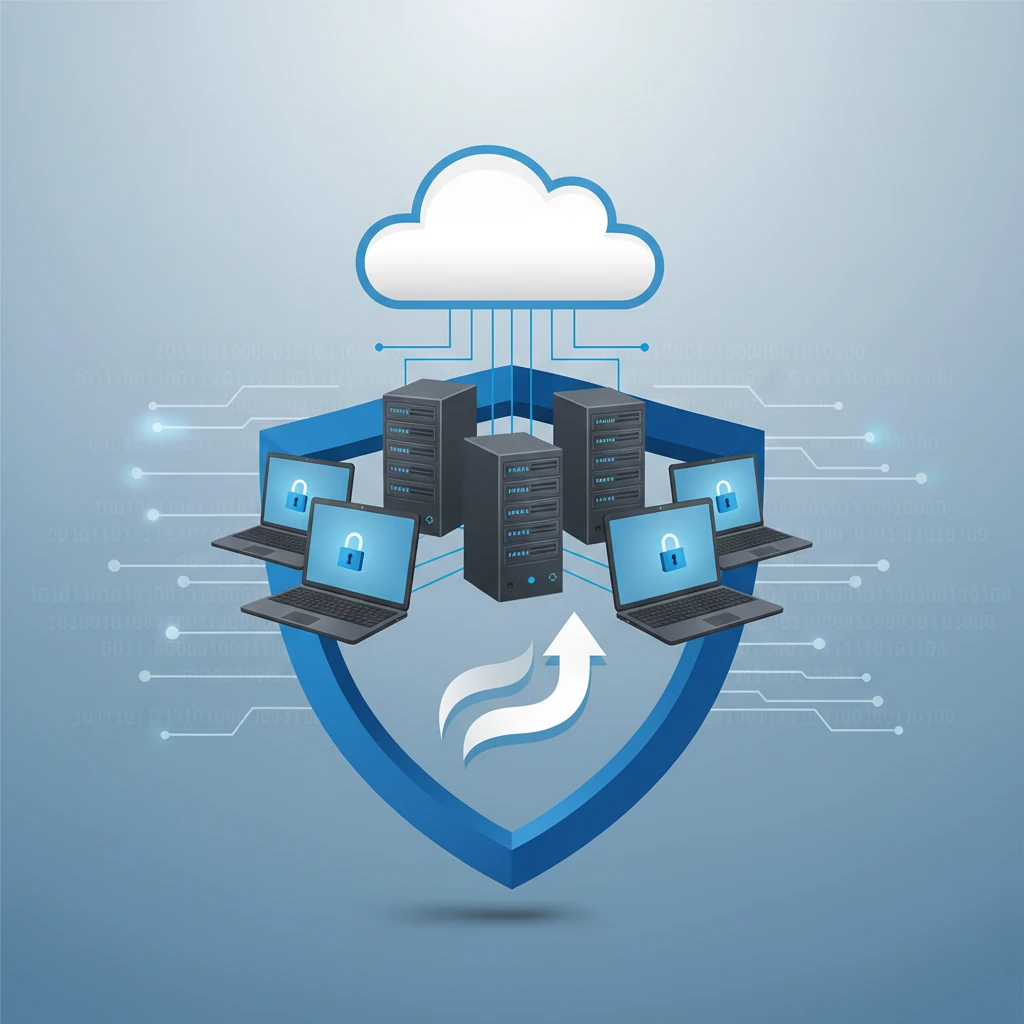
The core of any effective disaster recovery strategy lies in two critical metrics: the Recovery Point Objective (RPO) and the Recovery Time Objective (RTO). These metrics define the acceptable amount of data loss and the maximum tolerable downtime for your business operations. Defining your RPO involves determining the maximum acceptable period in which data might be lost after an incident. For example, if your RPO is one hour, you need a backup system that captures data at least every hour. Conversely, the RTO specifies the maximum duration within which your business must be restored and operational after a disaster strikes. Setting realistic RPOs and RTOs requires a deep understanding of your business processes, the criticality of different data sets, and the financial implications of both data loss and extended downtime. A thorough business impact analysis (BIA) is essential to accurately assess these objectives and tailor your BDR solutions accordingly, ensuring that your recovery capabilities align with business needs.
When selecting a backup solution, businesses face a critical decision: cloud-based versus on-premise. Cloud-based backup solutions offer scalability, accessibility from anywhere, and often a lower upfront cost due to the pay-as-you-go model. Services like Microsoft Azure Backup or Amazon S3 provide robust, off-site storage, which is crucial for protecting against local disasters. On the other hand, on-premise solutions give businesses direct control over their data and infrastructure, potentially offering faster recovery times for specific scenarios and greater customization. However, on-premise systems require significant capital investment in hardware, ongoing maintenance, and physical security. Many organizations opt for a hybrid approach, combining the benefits of both for enhanced data redundancy and flexibility. Evaluating your budget, technical expertise, and specific recovery needs will guide the best choice for your Guelph SMB.
The most meticulously crafted disaster recovery plan is only as good as its execution. Regular testing of your disaster recovery plan is non-negotiable. This involves simulating various disaster scenarios to validate the effectiveness of your backup procedures, recovery processes, and the ability of your team to respond. Testing should include verifying data integrity, measuring actual recovery times against your defined RTOs, and identifying any bottlenecks or weaknesses in the plan. These tests should be conducted at least annually, or more frequently for businesses with rapidly changing data environments or higher risk profiles. Documenting the results of each test, including any lessons learned and necessary adjustments, is crucial for continuous improvement and ensuring that your BDR strategy remains effective and aligned with evolving business needs and potential threats.
Leveraging Managed IT Services for Comprehensive Risk Mitigation
For Guelph-based SMBs, navigating the complex world of IT risk management can be daunting. This is where partnering with a reputable Managed IT Services Provider (MSP) becomes a strategic advantage. An MSP offers proactive, expert IT support and management, allowing businesses to offload the burden of day-to-day IT operations and focus on their core competencies. Instead of reacting to IT issues as they arise, a skilled MSP implements preventative measures to identify and address potential risks before they impact the business. This includes managing security patches, monitoring network performance, and ensuring systems are up-to-date. A security-first approach is paramount, ensuring that cybersecurity is integrated into every aspect of IT management, from infrastructure design to end-user training. This holistic strategy significantly reduces the likelihood of breaches, downtime, and data loss, fortifying your business against a wide array of IT-related risks.
Engaging with an MSP that prioritizes a proactive, security-first partnership offers numerous benefits beyond basic IT support. Such a provider acts as an extension of your team, dedicated to anticipating and mitigating threats. They leverage their expertise and advanced tools to constantly monitor your systems for vulnerabilities and suspicious activities. This includes implementing robust cybersecurity measures like advanced threat detection, firewall management, and regular vulnerability assessments. By staying ahead of emerging threats, they can protect your business from ransomware, phishing attacks, and other malicious activities that could cripple operations. Furthermore, a proactive MSP ensures that your IT infrastructure is optimized for performance and reliability, reducing the likelihood of system failures and costly downtime. This strategic alignment helps Guelph SMBs maintain competitive advantages by ensuring their technology is a reliable enabler rather than a source of risk.
One of the most significant advantages of working with an MSP is their capability for round-the-clock monitoring and rapid incident response. Critical IT infrastructure requires constant vigilance. An MSP employs sophisticated tools and dedicated teams to monitor your network, servers, and endpoints 24/7/365. This continuous oversight allows for the early detection of anomalies, performance issues, or security breaches. When an incident is detected, the MSP’s incident response team is equipped to act swiftly and decisively. This rapid response minimizes the potential damage, reduces downtime, and ensures that your business operations can be restored as quickly as possible. For businesses in Guelph, this means peace of mind knowing that their IT environment is actively protected and that any emerging issues will be handled efficiently by experienced professionals, often before employees or customers even notice a problem.
Beyond daily IT management and security, a strategic MSP partner provides invaluable guidance tailored to the unique needs of businesses in the Guelph region and the broader GTA. They offer strategic IT consulting that aligns technology initiatives with your overarching business goals. This involves understanding your industry, your operational challenges, and your growth objectives to recommend appropriate technology solutions. Whether it’s optimizing cloud infrastructure for scalability, implementing secure communication systems like VoIP for Guelph businesses, or developing a comprehensive cybersecurity roadmap, the MSP acts as your trusted technology advisor. This strategic partnership helps Guelph SMBs make informed technology investment decisions, enhance productivity, and gain a competitive edge in their respective markets, ensuring IT supports rather than hinders business advancement.
Navigating IT Compliance and Regulatory Requirements in Ontario
For small to mid-sized businesses (SMBs) operating in Ontario, including those in Guelph, adherence to IT compliance and regulatory requirements is not just a best practice; it’s a legal necessity. Failure to comply can result in substantial fines, legal liabilities, and severe damage to your organization’s reputation. Understanding the specific regulations that apply to your industry and the data you handle is the first crucial step. This encompasses data privacy laws, industry-specific standards, and provincial or federal legislation. Proactive management of IT compliance ensures that your business operates ethically and legally, building trust with customers and partners. For instance, handling customer data requires a thorough understanding of the privacy principles that govern its collection, use, and disclosure within the Canadian framework.
A cornerstone of IT compliance in Canada is the Personal Information Protection and Electronic Documents Act (PIPEDA). This federal law governs how private-sector organizations collect, use, and disclose personal information in the course of commercial activities. For businesses in Guelph handling any form of personal data, understanding PIPEDA’s ten principles is essential. These principles cover consent, identifying purposes for collection, limiting collection, safeguarding information, and providing access to personal data. Beyond PIPEDA, provincial privacy laws and sector-specific regulations, such as those in healthcare or finance, may also apply. Ensuring your IT systems and data handling practices align with these requirements involves implementing appropriate technical and organizational measures, such as data encryption, access controls, and clear data retention policies. A comprehensive approach to compliance safeguards your business and protects the privacy rights of individuals whose data you manage.
Developing and consistently enforcing clear IT policies is a fundamental component of IT risk management and compliance. These policies serve as the official guidelines for employees and contractors regarding their use of company technology and data. Key policies often include acceptable use policies (AUPs) for internet and email, password management policies, data security policies, and remote access policies. For businesses in Guelph, these documents should be clearly written, easily accessible, and regularly communicated to all staff. Regular training and awareness programs are crucial to ensure employees understand their responsibilities and the implications of non-compliance. By establishing and enforcing these policies, businesses create a culture of security and responsibility, significantly reducing the risk of accidental data breaches or policy violations that could lead to compliance issues.
In today’s business environment, the role of IT risk management in audit readiness is paramount. Whether facing internal audits, external audits, or regulatory examinations, a well-documented and effectively implemented IT risk management program demonstrates a commitment to security and compliance. This involves having clear policies, procedures, and evidence of their execution. For Guelph SMBs, this means maintaining up-to-date records of security assessments, incident response plans, data backup and recovery processes, and employee training logs. Being audit-ready means that when an auditor requests information or evidence, your organization can readily provide it, showcasing a robust framework for protecting data and mitigating risks. This preparedness not only ensures a smoother audit process but also validates the effectiveness of your IT security and compliance efforts, reinforcing stakeholder trust.
Key Considerations for Guelph SMBs When Choosing an IT Risk Partner
Selecting the right IT risk partner, typically a Managed IT Services Provider (MSP), is a critical decision for any Guelph-based SMB looking to enhance its cybersecurity posture and ensure business continuity. It’s not merely about outsourcing IT functions; it’s about forming a strategic alliance that understands and actively mitigates your unique risks. Assessing an MSP’s cybersecurity expertise and certifications should be a top priority. Look for providers who hold relevant industry certifications, such as CompTIA Security+, CISSP, or certifications related to specific security frameworks like NIST. Understanding their experience with cybersecurity threats relevant to your industry and geographic location is also vital. A provider with a proven track record in fortifying businesses against common threats like ransomware and phishing is essential for effective risk mitigation.
A robust Service Level Agreement (SLA) is the contractual backbone of your partnership with an IT risk provider. Evaluating SLAs for uptime guarantees and support response times is crucial. The SLA should clearly define the guaranteed availability of your IT systems and the timeframe within which the MSP will respond to and resolve different levels of incidents. For instance, critical system outages might require a response within minutes, while less urgent issues might have a longer response window. Beyond just response times, the SLA should also detail the scope of services covered, performance metrics, and penalties for non-compliance. For a Guelph SMB, this ensures accountability and provides a clear understanding of the expected service levels, minimizing the impact of potential disruptions and ensuring consistent operational performance.
When choosing an IT risk partner, it’s important to look beyond just technical capabilities and consider their strategic approach. Understanding their approach to proactive management and strategic planning is key. Does the MSP simply react to problems, or do they actively work to prevent them? A proactive provider will regularly assess your IT infrastructure, identify potential vulnerabilities, and recommend solutions before issues arise. They should also be invested in understanding your business goals and providing strategic IT guidance that supports your growth and innovation. This includes helping you leverage technology for competitive advantage, optimize IT spending, and plan for future technological advancements. For example, a forward-thinking MSP might guide you on adopting cloud solutions like cloud solutions for Oakville SMBs or modernizing communication systems. A true partner will offer continuous improvement and strategic insights, not just break-fix support.
Finally, for businesses located in Guelph and the surrounding Greater Toronto Area (GTA), local expertise within the Guelph and GTA region can be a significant advantage. An MSP with a deep understanding of the local business landscape, regulatory environment, and even common regional challenges possesses a distinct edge. They are more likely to understand the specific needs and operational nuances of businesses in your community. This can translate into more effective problem-solving, faster on-site support when necessary, and a better appreciation for your business context. Choosing a partner familiar with the GTA’s infrastructure and business dynamics ensures that their recommendations and support are highly relevant and actionable, fostering a stronger, more productive partnership.
Building a Resilient Business: The Long-Term Value of IT Risk Management
Implementing robust IT risk management strategies is no longer an optional expense for Guelph small to mid-sized businesses (SMBs); it’s a foundational investment in long-term resilience and sustainability. The digital landscape is in constant flux, with evolving cyber threats, technological advancements, and shifting regulatory requirements. Proactive risk identification and mitigation protect not only sensitive data but also the operational integrity and reputation of a business. By understanding potential vulnerabilities, businesses can allocate resources effectively, ensuring that critical systems remain operational and customer trust is preserved. This strategic approach moves beyond reactive “firefighting” to a more controlled and predictable business environment.
For Guelph SMBs, the value of IT risk management extends beyond mere compliance. It directly impacts the bottom line by minimizing unforeseen disruptions and associated costs. A comprehensive IT risk management framework helps to prevent costly data breaches, ransomware attacks, and service outages, which can cripple operations and lead to significant financial losses. Furthermore, by adhering to best practices and potential regulatory requirements, businesses can avoid hefty fines and legal repercussions. This forward-thinking mindset fosters a stable operational environment, allowing businesses to focus on growth and innovation rather than crisis management. Building a strong IT risk posture is, therefore, a key component of a resilient business model.
In today’s interconnected world, a single IT incident can have cascading effects throughout an organization. Developing a comprehensive IT risk management strategy is therefore paramount. This involves a systematic process of identifying, assessing, and treating risks to information technology assets. For Guelph businesses, this translates to protecting vital customer data, intellectual property, and operational systems from a multitude of threats, both internal and external. The long-term value lies in creating a business that can withstand unforeseen challenges, adapt to changing market conditions, and maintain customer confidence in its ability to operate securely and reliably.
Minimizing Financial Losses from Incidents
The financial impact of IT incidents can be devastating for SMBs, ranging from direct costs like data recovery and system repair to indirect costs such as lost revenue, reputational damage, and legal fees. A well-defined IT risk management strategy acts as a crucial shield, identifying potential vulnerabilities before they are exploited. For instance, regularly updated backup and disaster recovery plans can drastically reduce downtime and data loss costs following a hardware failure or cyberattack. Understanding the potential financial exposure associated with different risk scenarios allows businesses to prioritize mitigation efforts, focusing on the threats that pose the greatest financial risk. This strategic allocation of resources ensures that investments in security and resilience yield the highest return by preventing the most damaging and costly events.
Consider a data breach scenario. The immediate costs might include forensic investigations, notification of affected parties, and credit monitoring services for customers. However, the long-term financial fallout can be far more significant, encompassing potential regulatory fines (e.g., under PIPEDA), loss of customer loyalty, and damage to brand reputation that impacts future sales. Effective IT risk management, including measures like strong access controls, employee training on phishing awareness, and regular security audits, can significantly reduce the likelihood and impact of such breaches. For example, implementing multi-factor authentication across all critical systems has proven to be a highly effective measure in preventing unauthorized access and the subsequent financial repercussions. Prioritizing cybersecurity investments is not just about protecting data; it’s about safeguarding the financial health of the entire business.
Another critical aspect of minimizing financial losses is ensuring business continuity. This involves developing plans to maintain essential business functions during and after an IT disruption. For a Guelph-based retail business, a prolonged outage of its point-of-sale (POS) system could mean losing days of sales and customer transactions. A robust IT risk management plan would include redundant systems, cloud-based backups, and a clear communication protocol to inform staff and customers. By having these measures in place, businesses can significantly shorten recovery times and minimize revenue loss. The investment in preventative measures and contingency planning often proves to be far less than the cost of recovering from a major IT incident.
Ensuring Business Continuity and Operational Stability
Business continuity is fundamentally about keeping the doors open, metaphorically and literally, even when faced with IT disruptions. For Guelph SMBs, this means ensuring that core operations can continue with minimal interruption. A robust IT risk management framework systematically identifies critical business processes and the IT infrastructure that supports them. Once identified, strategies are developed to protect these assets and ensure their availability. This includes implementing redundant systems, geographically diverse data backups, and comprehensive disaster recovery plans. The goal is to minimize downtime and prevent the cascading failures that can occur when a single IT component fails.
A key component of ensuring operational stability is the development of a well-tested disaster recovery (DR) plan. This plan outlines the procedures to be followed in the event of a significant IT incident, such as a natural disaster, cyberattack, or major hardware failure. For a business relying on cloud-based applications, like many in Mississauga, the DR plan must account for potential disruptions to internet connectivity or cloud provider outages. Regular testing of these plans is crucial; an untested DR plan is often an ineffective one. These tests should simulate real-world scenarios to identify gaps and ensure that IT personnel and stakeholders understand their roles and responsibilities during an emergency. This preparedness is vital for maintaining customer trust and operational flow. You can learn more about how strategic cloud solutions support this at Oakville SMB IT: Strategic Cloud Solutions.
Beyond technical solutions, ensuring business continuity also involves human factors and communication. Clear communication channels must be established between IT teams, management, and employees during an incident. Employees need to know how to proceed if their usual systems are unavailable and how to report issues. For businesses offering customer-facing services, such as VoIP systems, maintaining communication lines is paramount. A strategy for maintaining essential communication services, perhaps through a secondary provider or offline methods, is part of a comprehensive risk management approach. This ensures that customer inquiries can still be handled and essential business functions remain accessible, even during a broader IT disruption.
Gaining a Competitive Advantage Through Strong IT Governance
Strong IT governance, a core component of effective IT risk management, provides a framework for decision-making and accountability regarding technology investments and operations. For businesses in the Guelph region, this translates into a more strategic use of technology, aligning IT initiatives with overall business objectives. When IT is governed effectively, it becomes a driver of innovation and efficiency rather than a cost center or a source of risk. This proactive approach allows businesses to identify and adopt new technologies that can enhance productivity, improve customer service, and streamline operations, ultimately providing a significant competitive edge in the marketplace. It ensures that IT investments are focused, secure, and deliver tangible business value.
Implementing clear policies and procedures, underpinned by strong IT governance, directly contributes to a competitive advantage by fostering trust and reliability. Customers and partners are more likely to engage with businesses that demonstrate a commitment to security and operational excellence. A company that can credibly assure its stakeholders that its data is protected and its services are consistently available, thanks to robust risk management, is inherently more attractive than one perceived as vulnerable. This can be particularly important in sectors with stringent data privacy requirements or where service uptime is critical, such as businesses utilizing VoIP Systems: Secure Guelph Business Comms. Demonstrating a mature approach to IT risk management signals a higher level of professionalism and operational maturity.
Furthermore, strong IT governance encourages a culture of continuous improvement and adaptation, essential for staying ahead in a dynamic market. By regularly assessing IT risks and performance, businesses can identify areas for optimization and innovation. This forward-looking perspective, facilitated by structured risk management processes, allows companies to anticipate future technological trends and potential challenges, positioning them to capitalize on emerging opportunities. This strategic agility, supported by sound IT governance, enables businesses to not only mitigate threats but also to leverage technology as a strategic asset for sustained growth and market leadership. Organizations looking to enhance their strategic IT planning can find valuable insights at Future-Proof Your Business with Expert IT Strategy.