
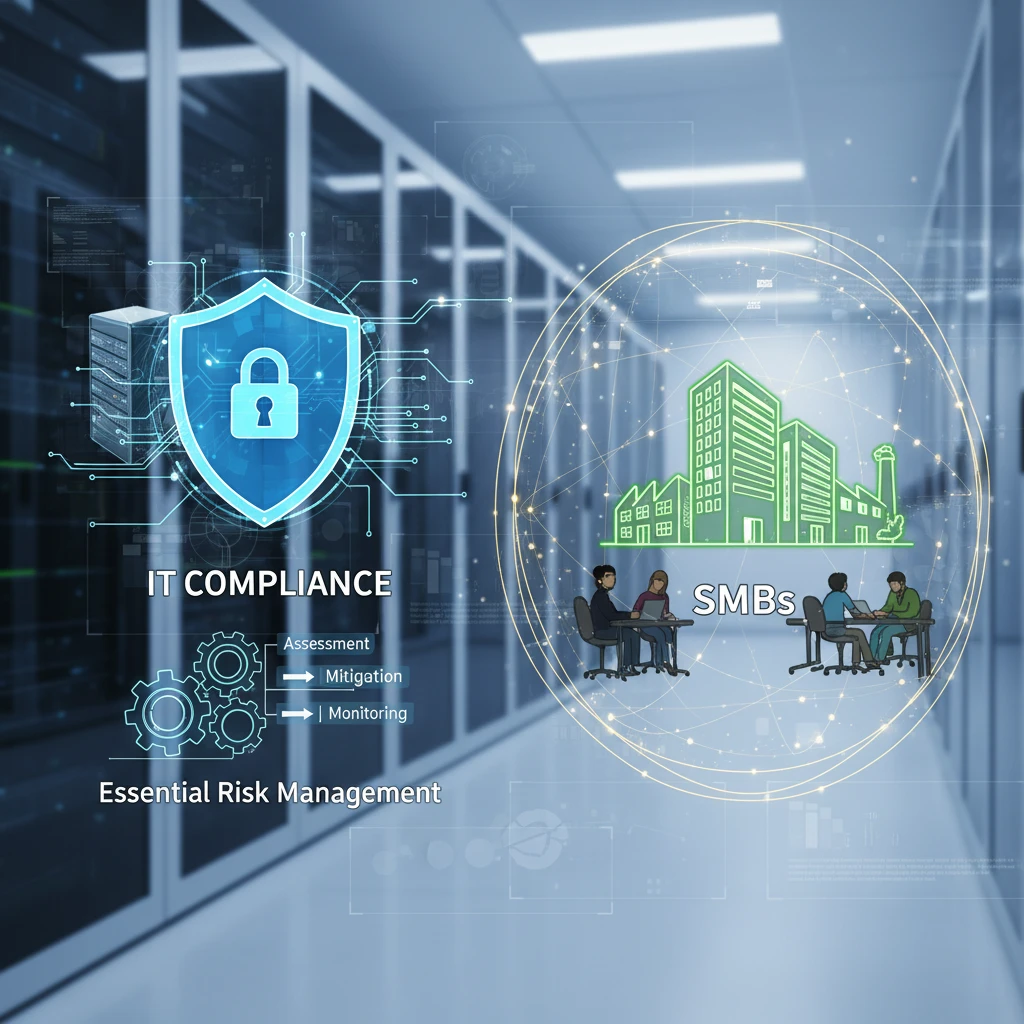
Understanding and implementing IT compliance strategies ensures your business not only meets legal and regulatory requirements but also builds trust with clients and partners. It signifies a commitment to protecting sensitive data and maintaining operational integrity. By adopting a proactive stance, SMBs can transform potential liabilities into competitive advantages, fostering resilience and long-term growth in an ever-evolving technological landscape.
Beyond Basic IT: Why Proactive Compliance is Now Non-Negotiable for SMBs
The digital transformation has accelerated the need for SMBs to move beyond reactive IT support towards a strategic, proactive posture. While keeping systems operational is crucial, it’s only one piece of the puzzle. Proactive IT compliance acts as a safeguard, embedding security and regulatory adherence into the very fabric of your operations. For businesses in the Greater Toronto Area and beyond, this shift means recognizing that staying compliant is intrinsically linked to mitigating a broad spectrum of risks, from cyber threats to data breaches. Ignoring these mandates can incur substantial fines and erode customer trust, impacting your bottom line and market standing. Embracing compliance as a core business function, rather than an afterthought, is essential for any forward-thinking SMB aiming for sustained success.
Effective IT risk management, underpinned by strong compliance practices, is vital for maintaining business continuity and operational resilience. It’s about more than just avoiding penalties; it’s about building a trustworthy and secure environment for your employees, customers, and partners. By investing in a proactive compliance strategy, SMBs can reduce their vulnerability to cyberattacks and data mismanagement, ensuring that their technology infrastructure actively supports, rather than hinders, their business objectives. This strategic approach allows organizations to leverage technology confidently, knowing their operations are protected and compliant with current standards, fostering a more secure and stable future. Consider how robust managed IT services can integrate these critical compliance functions seamlessly into your daily operations.
Understanding the Evolving Compliance Landscape in 2026
The regulatory environment continues its rapid evolution, presenting new challenges and demands for businesses of all sizes. In 2026, staying informed about these changes is paramount for SMBs aiming to operate legally and ethically. Key shifts often revolve around data privacy, cybersecurity standards, and industry-specific mandates, each requiring careful attention and adaptation. For instance, the increasing volume and sensitivity of data handled by businesses necessitate stricter controls and transparent data handling practices. Understanding these trends allows SMBs to anticipate future requirements and implement necessary adjustments proactively, rather than reacting to breaches or enforcement actions. This foresight is a cornerstone of effective risk management, enabling businesses to adapt their IT strategies to meet evolving compliance obligations.
The digital footprint of businesses is expanding, with cloud adoption and remote work becoming standard. This necessitates a dynamic approach to compliance, where regulations must be interpreted and applied across distributed systems and diverse work environments. Staying abreast of these changes is not just a legal obligation but a strategic imperative. Neglecting these evolving standards can lead to significant financial penalties, reputational damage, and operational disruptions. For SMBs, this often means partnering with IT experts who can navigate the complexities of these regulations and ensure continuous adherence. The proactive management of these compliance layers is critical for maintaining trust and security in a interconnected world, ensuring that your IT infrastructure supports, rather than hinders, your business goals. Explore how proactive IT solutions can help secure your GTA business operations against these evolving threats.
Key Regulatory Shifts Impacting SMBs (e.g., data privacy, industry-specific mandates)
The compliance landscape is in constant flux, driven by technological advancements and increasing concerns over data security and individual privacy. In 2026, several key regulatory shifts demand the attention of SMBs. Data privacy continues to be a dominant theme, with frameworks like GDPR and its global equivalents setting high standards for how personal information is collected, processed, and stored. Businesses must ensure they have transparent consent mechanisms and robust data protection measures in place. Beyond general data privacy, many industries face their own specific regulatory burdens. For example, healthcare providers must adhere to stringent patient data protection laws, while financial institutions navigate complex regulations concerning financial transactions and customer data security. Failure to comply with these evolving mandates can result in severe penalties, including hefty fines and mandatory operational changes that can disrupt business continuity. Staying informed about these specific requirements is crucial for maintaining trust and avoiding costly legal entanglements.
The increasing interconnectivity of systems and the rise of sophisticated cyber threats mean that cybersecurity regulations are becoming more prescriptive. SMBs are increasingly expected to implement advanced threat detection, prevention, and response capabilities. This includes regular security awareness training for employees, robust access controls, and comprehensive incident response plans. Furthermore, with the widespread adoption of cloud services, regulations are expanding to address data residency, cross-border data flows, and the shared responsibility models between cloud providers and their clients. Understanding these nuances is vital to avoid compliance gaps. For instance, a business might believe its data is secure within the cloud, but failing to configure security settings correctly or understand the provider’s obligations could lead to a breach of compliance. It’s imperative for SMBs to conduct thorough risk assessments and implement appropriate controls to meet these evolving legal and ethical standards, thereby safeguarding their operations and reputation.
The Growing Threat of Non-Compliance: Fines, Reputational Damage, and Operational Disruption
The consequences of failing to adhere to IT compliance regulations extend far beyond minor inconvenconveniences; they can pose existential threats to SMBs. One of the most immediate and tangible impacts of non-compliance is the imposition of significant financial penalties. Regulatory bodies worldwide have the authority to levy substantial fines for violations, which can range from thousands to millions of dollars, depending on the severity and nature of the infraction. For an SMB, such a financial blow can be crippling, diverting critical resources away from growth and operational needs. Beyond monetary penalties, the reputational damage stemming from a compliance failure can be equally devastating. News of data breaches or regulatory violations can erode customer trust, leading to a loss of business and a tarnished brand image that is difficult to recover from. This can have a long-term negative impact on customer acquisition and retention efforts, directly affecting revenue streams.
Furthermore, non-compliance often results in significant operational disruptions that can bring business to a standstill. This can manifest in various ways, such as mandatory system shutdowns, the forced recall or deletion of non-compliant products or services, or extensive audits that consume valuable employee time and resources. In some cases, persistent non-compliance can even lead to the revocation of operating licenses or the imposition of court-ordered injunctions, effectively halting business operations. For SMBs, especially those operating in competitive markets like the Greater Toronto Area, such disruptions can provide rivals with a crucial advantage. Implementing a proactive compliance strategy is therefore not just about meeting legal obligations; it’s a critical component of business continuity planning and ensuring the sustained resilience and operational integrity of your organization. Effective outsourced IT support can significantly help in navigating these risks.
How Cloud Adoption Adds New Compliance Layers
The widespread adoption of cloud computing by SMBs has brought immense benefits in terms of scalability, flexibility, and cost-efficiency. However, it has also introduced a new set of compliance complexities that require careful consideration. When data and applications move to the cloud, responsibility for compliance is no longer solely held by the SMB. Instead, it becomes a shared responsibility between the organization and the cloud service provider. This means SMBs must thoroughly understand their provider’s security and compliance certifications, as well as their own obligations regarding data configuration, access management, and end-user responsibilities. Misunderstanding this shared responsibility model can lead to critical compliance gaps, even when using reputable cloud platforms. For instance, while a provider might offer robust data encryption, the SMB is still responsible for implementing appropriate access controls and ensuring that sensitive data is not inadvertently exposed.
Navigating cloud compliance also involves addressing issues such as data residency and cross-border data transfer regulations. Depending on the industry and location of operations, specific laws may dictate where data must be stored and processed. SMBs must ensure their cloud provider can meet these geographical requirements and that any data transfers comply with relevant privacy legislation. Furthermore, the dynamic nature of cloud environments, with constant updates and new service offerings, requires ongoing vigilance. Compliance policies must be regularly reviewed and updated to reflect changes in cloud infrastructure and services. For businesses in the GTA, ensuring compliance with Canadian federal and provincial privacy laws, such as PIPEDA, becomes even more intricate when leveraging global cloud services. A comprehensive strategy for Microsoft 365 cloud optimization can help address these complexities, ensuring that your chosen cloud solutions are both efficient and compliant.
Identifying Your SMB’s Unique Compliance Obligations
Determining your specific IT compliance obligations requires a thorough assessment of your business operations, industry, and the types of data you handle. It’s not a one-size-fits-all scenario; rather, it’s a tailored process that begins with understanding the fundamental nature of your business and its digital interactions. Start by identifying all relevant regulatory bodies and laws that govern your industry and geographical location. This involves looking beyond broad data privacy laws to consider sector-specific mandates that might apply. For example, businesses dealing with financial transactions will have different obligations than those in the retail or manufacturing sectors. A structured approach to this identification process is key to ensuring no critical requirements are overlooked, setting the foundation for a robust compliance program.
The sheer volume and sensitivity of data processed by an SMB significantly influence its compliance roadmap. Understanding what information you collect—from customer personal details and payment card information to proprietary business data and employee records—and where this data resides is a critical step. Is it stored on-premises, in the cloud, or with third-party vendors? Each storage method can have different compliance implications. For Canadian businesses, for instance, adherence to the Personal Information Protection and Electronic Documents Act (PIPEDA) is fundamental if you handle personal information in the course of commercial activities. Comprehensive data governance strategies are essential to map data flows, identify sensitive information, and implement appropriate security and privacy controls, thereby minimizing risk and ensuring adherence to legal and ethical standards. Explore managed IT services that specialize in helping businesses navigate these complex data governance challenges.
Common Compliance Frameworks Relevant to Canadian Businesses (PIPEDA, etc.)
For businesses operating in Canada, understanding and adhering to prevalent compliance frameworks is a non-negotiable aspect of IT risk management. The cornerstone of federal privacy legislation is the Personal Information Protection and Electronic Documents Act (PIPEDA). This act governs how private sector organizations collect, use, and disclose personal information in the course of commercial activities across Canada. PIPEDA outlines ten fair information principles that businesses must follow, emphasizing transparency, consent, and accountability. Beyond PIPEDA, provinces like Quebec have their own distinct privacy laws, such as Law 25 (formerly Bill 64), which imposes significant obligations regarding the protection of personal information and consent. For SMBs, understanding these provincial nuances is crucial if they operate or have customers within those specific jurisdictions. Adherence to these foundational privacy laws is paramount for building and maintaining trust with Canadian consumers and avoiding significant legal repercussions.
In addition to broad privacy legislation, certain industries within Canada are subject to sector-specific compliance requirements. For example, the financial services sector is governed by provincial securities commissions and federal bodies that dictate strict data security and reporting standards to protect sensitive financial information. Similarly, healthcare organizations must comply with provincial health information privacy acts, which enforce rigorous measures for safeguarding patient records. Even businesses that aren’t directly regulated by specific industry bodies may find themselves indirectly impacted by frameworks like ISO 27001 for information security management or NIST cybersecurity frameworks, which are often adopted as best practices and can be prerequisites for doing business with larger, more regulated entities. For SMBs in the Greater Toronto Area, it is vital to identify all applicable federal, provincial, and industry-specific regulations to build a comprehensive and effective IT compliance strategy that minimizes risk. Consider leveraging proactive IT support to ensure your business stays compliant.
Industry-Specific Regulations: A Quick Checklist
Many industries face unique regulatory landscapes that extend beyond general data privacy laws. For SMBs, identifying these sector-specific mandates is crucial for comprehensive compliance. A quick checklist can help businesses pinpoint relevant regulations:
- Healthcare: If your business handles patient health information, you must comply with provincial health privacy acts (e.g., Ontario’s Personal Health Information Protection Act – PHIPA) and potentially federal guidelines related to health data security. This involves strict controls on access, storage, and transmission of sensitive health records.
- Financial Services: Businesses in this sector, including those involved in payments, lending, or investment, are subject to regulations from bodies like FINTRAC (Financial Transactions and Reports Analysis Centre of Canada) for anti-money laundering (AML) and anti-terrorist financing (ATF) rules, as well as provincial securities commissions for consumer protection and data security.
- Retail and E-commerce: Handling customer payment card information requires adherence to the Payment Card Industry Data Security Standard (PCI DSS). This mandates specific security measures for storing, processing, and transmitting cardholder data to prevent fraud.
- Technology and Software Development: If developing or deploying software, considerations around data integrity, security vulnerabilities, and intellectual property protection are paramount. Compliance with standards like SOC 2 might be necessary if providing services to larger enterprises.
Proactive identification of these industry-specific requirements is vital. Consulting with IT compliance specialists or legal counsel experienced in your sector can provide clarity and ensure that your IT infrastructure and policies are aligned with all applicable regulations, preventing costly breaches and operational disruptions. Understanding these specific needs is a critical component of a well-rounded managed IT strategy.
Data Governance: What Information Do You Handle, and Where Does It Reside?
Effective data governance is the bedrock of IT compliance and risk management. It begins with a comprehensive inventory of the types of information your SMB handles daily. This includes everything from sensitive customer data (names, addresses, financial details, health information) and employee records to proprietary business information, intellectual property, and operational logs. Each category of data carries its own set of regulatory requirements and associated risks if mishandled. For instance, handling payment card information mandates compliance with PCI DSS, while medical records fall under strict health privacy laws. Understanding the nature of your data is the first step in determining how it must be protected and governed.
Once you’ve identified the types of data, the next critical step is to map out precisely where this information resides. This involves tracing data flows across your entire IT infrastructure, which may include on-premises servers, cloud storage (like Microsoft 365, Azure, or Google Workspace), employee devices (laptops, mobile phones), third-party applications, and even physical documents. For Canadian businesses, knowing data locations is essential for complying with laws like PIPEDA, which can dictate cross-border data transfer restrictions. A detailed data map helps identify potential vulnerabilities, such as data stored in unsecured locations or without adequate access controls. Implementing robust data governance practices ensures that your SMB not only knows what data it possesses but also where it is, who has access to it, and how it is being protected, thereby minimizing compliance risks and fortifying your security posture.
The Core Pillars of an Effective IT Risk Management Strategy
An effective IT risk management strategy is multifaceted, built upon several interconnected pillars designed to protect your organization’s assets, data, and operations. It’s not just about reacting to threats but proactively building defenses and resilience. The core of this strategy involves implementing robust security and privacy controls, ensuring that only authorized individuals can access sensitive information, and having plans in place to maintain operations even in the face of disruption. These pillars work in concert to create a secure and reliable IT environment, enabling your SMB to operate with confidence and minimize potential liabilities. By focusing on these fundamental areas, businesses can significantly enhance their overall security posture and compliance adherence, safeguarding against a wide range of threats.
Building a strong IT risk management framework requires a commitment to ongoing vigilance and improvement. It involves regularly assessing your systems for weaknesses, ensuring your team is well-trained in security best practices, and having clear protocols for managing incidents. The goal is to create a culture of security awareness where compliance is seen as everyone’s responsibility. For SMBs in the Greater Toronto Area, partnering with IT experts can provide the necessary guidance and resources to implement and maintain these critical pillars, ensuring that your technology strategy is not only efficient but also secure and compliant with all relevant regulations. This proactive approach is essential for long-term business sustainability and growth. Consider how proactive cybersecurity from managed IT services can bolster these pillars.
Data Security and Privacy Controls
At the heart of any effective IT risk management strategy lies the implementation of robust data security and privacy controls. These measures are designed to protect sensitive information from unauthorized access, disclosure, alteration, and destruction, ensuring compliance with regulations such as PIPEDA and industry-specific mandates. Key controls include strong encryption for data at rest and in transit, ensuring that even if data is intercepted, it remains unreadable. Regular vulnerability assessments and penetration testing are crucial to identify and address weaknesses in your systems before they can be exploited by malicious actors. Implementing multi-factor authentication (MFA) adds a significant layer of security, requiring more than just a password to verify user identity. Data loss prevention (DLP) solutions can also be employed to monitor and block the unauthorized exfiltration of sensitive information. These controls are not static; they require continuous monitoring, updating, and adaptation to counter evolving threats and maintain compliance.
Beyond technical safeguards, establishing clear data privacy policies and procedures is equally vital. This involves defining how personal information is collected, used, stored, and retained, ensuring transparency with individuals and obtaining appropriate consent where required. Employee training plays a critical role, educating staff on their responsibilities regarding data handling, phishing awareness, and secure password practices. For SMBs utilizing cloud services, understanding the shared responsibility model is paramount – ensuring that both the cloud provider and the organization implement adequate security measures. For example, when using Microsoft 365, configuring security settings, managing user access, and implementing DLP policies are essential steps for the SMB to take. Implementing these comprehensive controls is fundamental to safeguarding your business assets and maintaining customer trust in today’s digital landscape.
Access Management and User Permissions
Controlling who has access to what information and systems is a cornerstone of IT security and compliance. Effective access management ensures that users only have the permissions necessary to perform their job functions, adhering to the principle of least privilege. This significantly reduces the attack surface, as it limits the potential damage an attacker can cause if they compromise a single user account. Implementing a robust access management system typically involves establishing clear roles and responsibilities within the organization and mapping these to specific system permissions. Regularly reviewing user access rights, especially when employees change roles or leave the company, is critical to prevent unauthorized access and maintain an up-to-date access matrix. Strong password policies, including requirements for complexity, regular changes, and avoiding reuse, are foundational to user authentication. For enhanced security, multi-factor authentication (MFA) should be implemented across all critical systems and applications, providing an extra layer of verification beyond just a password.
The integration of Single Sign-On (SSO) solutions can streamline user access while simultaneously improving security by centralizing authentication management. This reduces the number of passwords users need to remember, thereby decreasing the likelihood of weak or reused passwords, and simplifies the process of disabling accounts when employees depart. For SMBs, especially those leveraging cloud platforms like Microsoft 365, Azure Active Directory (now Microsoft Entra ID) offers sophisticated tools for managing user identities and access permissions. Properly configuring these services ensures that access is granted based on verified identity and context, significantly bolstering security and aiding compliance efforts. A well-defined access management strategy is not just a technical measure but a critical business process that requires ongoing attention and periodic audits to remain effective against evolving threats and ensure adherence to compliance mandates. This forms a vital part of any outsourced IT risk reduction plan.
Business Continuity and Disaster Recovery Planning
Business continuity and disaster recovery (BCDR) planning are essential components of IT risk management, ensuring that an organization can continue to operate during and after disruptive events. A disaster can range from natural occurrences like power outages or floods to technological failures, cyberattacks, or even pandemics. BCDR planning involves identifying critical business functions, assessing potential threats, and developing strategies to maintain operations with minimal disruption. A key element is the implementation of regular data backups, stored securely offsite or in a separate cloud region, to ensure that data can be restored quickly in case of loss. Recovery Time Objectives (RTOs) and Recovery Point Objectives (RPOs) must be clearly defined to set realistic expectations for how quickly systems can be restored and how much data loss is acceptable.
Developing a comprehensive disaster recovery plan includes outlining step-by-step procedures for restoring IT systems and data, identifying key personnel responsible for executing the plan, and establishing communication protocols for internal and external stakeholders. Regular testing of the BCDR plan is paramount to identify any gaps or inefficiencies and ensure that the recovery processes are effective and reliable. For SMBs in the GTA, understanding regional risks and having a robust BCDR strategy can be the difference between a temporary setback and a catastrophic business failure. This planning is especially critical when relying on cloud-based services; ensuring your cloud provider has strong disaster recovery capabilities and understanding how they align with your own objectives is vital. Consider exploring IT infrastructure solutions that prioritize resilience and rapid recovery.
Regular Audits and Vulnerability Assessments
Proactive risk management hinges on the continuous evaluation of your IT environment. Regular audits and vulnerability assessments are critical processes for identifying weaknesses before they can be exploited. Audits examine your IT systems, policies, and procedures against established compliance frameworks and best practices, ensuring adherence to regulatory requirements and internal standards. This might include reviewing access logs, security configurations, and data handling practices. Vulnerability assessments, on the other hand, are more technical in nature, using specialized tools to scan your networks, applications, and devices for known security flaws. These assessments can uncover issues such as outdated software, misconfigured firewalls, or weak encryption protocols that could be exploited by cybercriminals.
The insights gained from these assessments are invaluable for prioritizing security investments and remediation efforts. By systematically identifying and addressing vulnerabilities, SMBs can significantly reduce their risk profile and enhance their overall security posture. It’s not enough to simply conduct these assessments; an effective strategy involves a clear plan for remediation, assigning responsibility for fixing identified issues, and tracking progress to completion. For organizations aiming to comply with standards like PCI DSS or HIPAA, regular, documented audits and assessments are often a mandatory requirement. Implementing a cadence for these evaluations, perhaps quarterly for vulnerability scans and annually for comprehensive audits, ensures that your IT security remains robust and adaptable to the ever-changing threat landscape. This continuous cycle of assessment and improvement is a hallmark of a mature IT risk management program and is often a key benefit of partnering with proactive IT services.
Cybersecurity as the Bedrock of IT Compliance
For any small to medium-sized business (SMB), establishing robust cybersecurity practices is not merely a technical recommendation; it’s the fundamental pillar supporting overall IT compliance. In today’s threat landscape, where cyberattacks are increasingly sophisticated and targeted, a strong cybersecurity posture is essential to protect sensitive data, maintain operational continuity, and adhere to various regulatory frameworks. Without adequate security measures, SMBs leave themselves vulnerable to data breaches, ransomware attacks, and other cyber incidents that can result in significant financial losses, reputational damage, and legal repercussions. Implementing a layered security approach, encompassing technical controls, employee awareness, and well-defined procedures, is paramount to safeguarding your digital assets and demonstrating a commitment to compliance.
Implementing Multi-Factor Authentication (MFA) Universally
Multi-Factor Authentication (MFA) is a critical control that significantly enhances the security of user accounts and sensitive data by requiring multiple forms of verification before granting access. Instead of relying solely on a password, MFA combines two or more independent authentication factors – something the user knows (password), something the user has (a phone or hardware token), or something the user is (biometrics). The decision to implement MFA universally should be driven by a risk assessment that identifies critical assets and common attack vectors. The primary pitfall to avoid is a phased or incomplete rollout, which leaves gaps in security. For example, implementing MFA only for remote access but not for internal administrative accounts creates a significant vulnerability. The actionable step is to make MFA a mandatory requirement for all user accounts, including administrative, service, and privileged accounts, and to educate users on its importance and proper use. Consider the following decision criteria: identify all applications and services that handle sensitive data; assess the ease of integration for different MFA methods (e.g., SMS, authenticator apps, hardware tokens); and plan for user support during the transition. An estimated 99.9% of account compromise attacks could be prevented by using strong passwords and MFA, according to Microsoft research.
The Importance of Robust Endpoint Protection and Patch Management
Endpoints, including laptops, desktops, servers, and mobile devices, are often the initial entry points for cyber threats. Therefore, robust endpoint protection, such as next-generation antivirus (NGAV) and endpoint detection and response (EDR) solutions, is non-negotiable for maintaining IT compliance. These tools go beyond traditional signature-based detection to identify and neutralize advanced malware, zero-day threats, and suspicious activities in real-time. Complementing endpoint protection is a rigorous patch management process. Software vulnerabilities are a primary vector for attacks; failing to apply security patches promptly creates an open door for malicious actors. The decision criteria for an effective patch management program include: classifying systems by criticality, establishing defined testing procedures for patches before deployment, and setting aggressive timelines for applying critical security updates. A common pitfall is delaying patches due to fear of disrupting operations, but the risk of a successful attack far outweighs the temporary inconvenience of a planned update. Actionable steps involve automating the patch deployment process where possible, conducting regular vulnerability scans to identify missing patches, and creating a detailed inventory of all endpoints to ensure comprehensive coverage. For example, a failure to patch a known vulnerability in an operating system or a web browser could lead to widespread ransomware infection across an organization’s fleet of computers.
Employee Training: Your First Line of Defense Against Social Engineering
Human error remains a significant factor in cybersecurity incidents, particularly concerning social engineering attacks like phishing and business email compromise (BEC). Therefore, comprehensive and ongoing employee training is a critical component of IT compliance. Employees are often the first line of defense, and equipping them with the knowledge to identify and report suspicious activities can prevent costly breaches. Decision criteria for effective training include: tailoring content to specific roles and responsibilities within the organization, incorporating interactive elements and real-world examples, and conducting regular phishing simulations to test and reinforce learning. A major pitfall is treating training as a one-time event; cybersecurity threats evolve rapidly, and so must employee awareness. Actionable steps include establishing a regular training schedule (e.g., quarterly), making training mandatory for all new hires, and creating clear channels for employees to report suspected phishing attempts or security concerns without fear of reprisal. For instance, a well-trained employee who identifies a phishing email and reports it to the IT department can prevent the compromise of credentials that could lead to a substantial data breach, saving the company thousands in recovery costs.
Navigating Cloud Services and Compliance Challenges
The widespread adoption of cloud services by SMBs offers immense benefits in terms of scalability, flexibility, and cost-efficiency. However, it also introduces a new set of IT compliance challenges that require careful consideration. Understanding the nuances of cloud security and data governance is crucial to ensure that leveraging these services does not inadvertently lead to regulatory violations or security vulnerabilities. This involves a clear grasp of where data resides, who has access to it, and how it is protected across the entire cloud ecosystem, from infrastructure as a service (IaaS) to software as a service (SaaS) applications. For businesses operating under specific industry regulations, such as HIPAA or GDPR, ensuring their cloud deployments meet these stringent requirements is a non-negotiable aspect of their overall compliance strategy.
Shared Responsibility Models: Understanding Vendor vs. Your Role
When utilizing cloud services, it is imperative to understand the shared responsibility model that governs security and compliance. This model delineates the security obligations of the cloud service provider (CSP) and the customer (your business). Generally, CSPs are responsible for the security *of* the cloud (i.e., the underlying infrastructure, hardware, and physical security of data centers), while the customer is responsible for security *in* the cloud (i.e., data, applications, operating systems, network configurations, and identity management). A common pitfall is assuming the CSP handles all security aspects, leading to neglect of critical customer-side responsibilities. For example, if you use a cloud-based email service, the CSP ensures the infrastructure is secure, but you are responsible for configuring access controls, enabling MFA, and protecting your end-users from phishing. Decision criteria for assessing shared responsibilities include: thoroughly reviewing the CSP’s service level agreements (SLAs) and terms of service; identifying all cloud services in use and mapping them to their respective responsibility models; and documenting precisely where your organization’s security duties begin and end for each service. The actionable step is to create a clear internal document outlining these responsibilities and to assign ownership for each customer-side security task.
Choosing Cloud Providers with Strong Compliance Certifications
Selecting cloud service providers (CSPs) that adhere to recognized industry standards and possess relevant compliance certifications is a cornerstone of a compliant cloud strategy. These certifications, such as ISO 27001, SOC 2, HIPAA compliance (for healthcare data), or PCI DSS (for payment card data), demonstrate that a CSP has undergone rigorous independent audits and meets specific security and privacy requirements. The decision criteria for evaluating CSPs should prioritize those with certifications directly relevant to your industry and the type of data you handle. For instance, a financial services firm must ensure its cloud provider is PCI DSS compliant if processing payment card information. A significant pitfall is overlooking this due diligence, potentially leading to compliance failures later. Actionable steps include: identifying all relevant compliance regulations your business must adhere to; researching CSPs that publicly advertise and maintain certifications aligned with these regulations; and requesting evidence of these certifications and audit reports as part of your vendor selection process. Partnering with providers who have robust compliance frameworks in place significantly reduces your own compliance burden and risk.
Securing Your Microsoft 365 Environment for Compliance
Microsoft 365 (M365) is a popular suite of cloud-based productivity and collaboration tools used by many SMBs, but its security and compliance configurations require deliberate attention. While Microsoft provides a secure foundation, misconfigurations are a common cause of compliance gaps and security incidents within M365 environments. This includes improperly managed user permissions, inadequate data loss prevention (DLP) policies, and insufficient auditing and logging. Decision criteria for securing M365 for compliance include: understanding your organization’s data classification needs to implement appropriate DLP rules; assessing who needs access to what data and applying the principle of least privilege; and determining the necessary level of audit logging for regulatory purposes. A critical pitfall is relying solely on default M365 settings, which are often not sufficient for robust compliance. Actionable steps include: enabling MFA for all M365 users, configuring conditional access policies to restrict access based on user location, device, and sign-in risk; implementing retention policies to manage data lifecycle; and regularly reviewing M365 security reports and audit logs. Utilizing features like Microsoft Purview for advanced compliance capabilities is also highly recommended for organizations with stringent requirements.
Building a Culture of Security and Compliance from Within
While technical controls and policies are vital, the most effective IT compliance strategies are built upon a foundation of a strong security-aware culture within the organization. This means fostering an environment where every employee understands their role in protecting company data and adhering to security protocols. It moves compliance from being a mere IT department responsibility to a shared organizational value. Creating this culture requires consistent effort, clear communication, and leadership buy-in, ensuring that security and compliance are not perceived as obstacles but as enablers of trust and operational integrity.
Establishing Clear IT Policies and Procedures
Well-defined and accessible IT policies and procedures are the backbone of any effective compliance program. These documents provide clear guidelines on how employees should interact with technology, handle sensitive information, and respond to security incidents. Without them, employees are left to make assumptions, which can lead to inconsistencies and increased risk. The decision criteria for developing robust policies include: identifying all relevant compliance mandates (e.g., data privacy laws, industry-specific regulations); ensuring policies are written in clear, understandable language, avoiding excessive technical jargon; and establishing a regular review and update cycle to reflect changes in technology and regulations. A significant pitfall is having outdated or unenforced policies, which render them ineffective. Actionable steps involve creating a comprehensive IT acceptable use policy, a data handling policy, an incident response plan, and clear password management guidelines. These policies should be communicated to all employees upon onboarding and reinforced through regular training. For example, a clear data handling policy might specify that all sensitive customer data must be encrypted when stored and transmitted, thereby reducing the risk of accidental exposure.
The Role of Leadership in Driving Compliance Initiatives
Leadership commitment is indispensable for embedding a culture of security and compliance. When senior management actively champions and invests in these initiatives, it signals their importance throughout the organization. This includes allocating necessary resources, setting expectations, and holding individuals and departments accountable. The decision criteria for leadership involvement should focus on demonstrating a visible commitment to security and compliance, not just through words but through actions and resource allocation. A key pitfall is when leadership views compliance as a mere checkbox exercise or a cost center, rather than a strategic imperative for business continuity and reputation. Actionable steps for leaders include: actively participating in cybersecurity awareness training; incorporating compliance metrics into performance reviews; ensuring adequate budget is allocated for security tools and training; and publicly supporting and communicating the organization’s commitment to protecting data. Their endorsement helps to prioritize security and compliance in daily operations and strategic decision-making, fostering a proactive rather than reactive approach to risk management. For example, a CEO personally championing a new cybersecurity awareness campaign can significantly boost employee engagement and adherence.
Creating an Environment Where Employees Feel Empowered to Report Concerns
An environment where employees feel empowered and safe to report security concerns, potential breaches, or policy violations without fear of retribution is crucial for early detection and mitigation. This encourages a proactive approach to identifying and addressing vulnerabilities before they can be exploited. The decision criteria for fostering such an environment include: establishing clear, confidential reporting channels; ensuring prompt and fair investigation of all reported concerns; and providing positive reinforcement or acknowledgement for employees who report issues in good faith. A critical pitfall is creating a culture of silence where employees fear disciplinary action or ridicule for raising concerns, leading to underreported incidents and increased risk. Actionable steps involve: implementing an anonymous reporting hotline or email address; training managers on how to handle reported concerns sensitively and professionally; and communicating the organization’s stance that all reports are taken seriously and investigated thoroughly. This open communication loop allows for continuous improvement of security measures and strengthens the overall compliance posture of the business, helping to identify risks that might otherwise go unnoticed.
Leveraging Managed IT Services for Streamlined Compliance
For many SMBs, achieving and maintaining IT compliance can be a complex and resource-intensive endeavor. Engaging with a reputable Managed IT Services Provider (MSP) can significantly streamline this process. MSPs bring specialized expertise, advanced tools, and dedicated resources to manage critical IT functions, including cybersecurity and compliance, proactively. This allows SMBs to offload the burden of complex regulatory landscapes and technical management, ensuring their IT infrastructure remains secure, compliant, and aligned with business objectives. Partnering with an MSP ensures that compliance is not an afterthought but an integrated component of your IT strategy.
Proactive Monitoring and Threat Detection
A key benefit of leveraging managed IT services for compliance is the implementation of proactive monitoring and advanced threat detection capabilities. MSPs typically employ sophisticated Security Information and Event Management (SIEM) systems and 24/7 Security Operations Centers (SOCs) to continuously monitor networks, endpoints, and cloud environments for suspicious activities, anomalies, and potential security threats. This continuous surveillance allows for the early detection of potential breaches or policy violations before they escalate into significant incidents. The decision criteria for choosing an MSP focused on compliance include their ability to provide real-time alerts, conduct in-depth log analysis, and offer rapid incident response. A common pitfall is relying on reactive security measures, which often come into play only after an incident has occurred. Actionable steps involve partnering with an MSP that offers comprehensive monitoring services, including network traffic analysis, intrusion detection, and vulnerability scanning, to maintain a constant state of vigilance and ensure adherence to compliance requirements.
Automated Patching and Configuration Management
Maintaining an up-to-date and securely configured IT environment is fundamental to IT compliance, and managed IT services excel in automating these critical tasks. MSPs utilize robust tools to ensure that all systems, applications, and security software are consistently patched and configured according to best practices and compliance standards. This includes scheduling and deploying security updates, managing software versions, and enforcing standardized security configurations across all devices and servers. The decision criteria for selecting an MSP should focus on their established processes for automated patch management and configuration compliance, ensuring timely updates and consistent adherence to security baselines. A pitfall to avoid is an MSP that lacks robust automation, leading to manual processes that are prone to errors and delays. Actionable steps include ensuring the MSP has a clearly defined patch management policy, a robust change control process, and regular audits to verify that configurations remain compliant and secure. For example, consistent automated patching can prevent vulnerabilities that could be exploited to gain unauthorized access to sensitive company data.
Expert Guidance on Evolving Compliance Requirements
The regulatory landscape for IT compliance is constantly evolving, with new laws, standards, and best practices emerging regularly. For SMBs, keeping pace with these changes can be overwhelming. Managed IT service providers offer invaluable expert guidance on evolving compliance requirements. They stay abreast of the latest regulatory updates, interpret their implications for your business, and help implement necessary adjustments to your IT infrastructure and policies. The decision criteria for choosing an MSP should include their demonstrated expertise in various compliance frameworks relevant to your industry and their proactive approach to informing clients about upcoming changes. A significant pitfall is an MSP that lacks up-to-date knowledge of compliance mandates, potentially leading your business into non-compliance. Actionable steps include engaging with an MSP that provides regular compliance updates, conducts periodic risk assessments, and offers strategic advice on adapting your IT strategy to meet new regulatory demands. This ensures your business remains not only secure but also legally compliant in an ever-changing digital environment.
The Cost of Inaction: Quantifying the Risks of Non-Compliance
Ignoring IT compliance is not a neutral decision; it’s an active choice with significant financial and operational consequences for small and mid-sized businesses (SMBs). The landscape of regulations, particularly concerning data privacy and security, is constantly evolving, and staying abreast of these changes requires proactive effort. Failing to implement robust compliance measures can lead to substantial direct costs, reputational damage, and a loss of competitive advantage. Understanding these risks is the first step towards building a resilient and trustworthy business operation in today’s digital environment. The investment in compliance is an investment in business continuity and long-term viability, far outweighing the perceived cost savings of inaction. For businesses operating in the Greater Toronto Area, adhering to relevant provincial and federal data protection laws is paramount to avoid severe repercussions.
Direct Financial Penalties and Legal Fees
One of the most immediate and tangible risks of IT non-compliance is the imposition of significant fines by regulatory bodies. Depending on the industry and the specific regulations violated (such as PIPEDA in Canada or industry-specific standards like PCI DSS for payment card data), penalties can range from thousands to millions of dollars. These fines are often calculated based on the severity of the breach, the number of individuals affected, and the duration of non-compliance. Beyond direct fines, businesses may incur substantial legal fees associated with defending against regulatory investigations, lawsuits from affected parties, and managing potential class-action claims. Furthermore, the costs associated with forensic investigations, data recovery, and implementing corrective actions to achieve compliance can quickly escalate, draining valuable resources that could otherwise be invested in growth and innovation. For SMBs, these unforeseen expenses can be crippling, potentially leading to bankruptcy.
Lost Revenue Due to Downtime and Data Breaches
A significant data breach or extended IT system downtime resulting from non-compliance can lead to a dramatic loss of revenue. When systems are compromised, operations grind to a halt, affecting everything from customer service to order fulfillment and internal productivity. Customers whose data has been exposed may take their business elsewhere, seeking more secure alternatives. Research indicates that the average cost of a data breach for small businesses is substantial, impacting their bottom line for months, if not years, following the incident. Moreover, the disruption caused by security incidents can lead to missed sales opportunities and the inability to deliver critical services, directly impacting revenue streams. The recovery process itself, including restoring systems and re-establishing trust, is resource-intensive and can further divert focus from revenue-generating activities.
Erosion of Customer Trust and Brand Reputation
In the digital age, customer trust is a cornerstone of business success. A data breach or a perceived lack of commitment to data privacy can irreparably damage a company’s reputation. Customers are increasingly aware of and concerned about how their personal information is handled. When a breach occurs, the news often spreads rapidly through media and social channels, creating a negative public perception that is difficult to overcome. Rebuilding lost trust requires extensive and costly public relations efforts, often with limited success. A tarnished brand reputation can result in a long-term decline in customer acquisition and retention, diminishing market share and brand loyalty. For SMBs, where relationships with clients are often more personal, such a breach can be particularly devastating, severing the bonds built over years of dedicated service.
Actionable Steps: Your SMB’s Compliance Roadmap for 2026 and Beyond
Navigating the complex world of IT compliance may seem daunting for small and mid-sized businesses, but it’s an essential undertaking for risk management and long-term success. The key lies in adopting a strategic, phased approach. This involves understanding your current standing, identifying the most critical areas for improvement, and leveraging expert resources. By establishing a clear roadmap, SMBs can systematically address compliance requirements, ensuring their operations are secure, resilient, and trustworthy. Proactive planning and consistent execution are vital to maintaining compliance and mitigating the risks discussed previously. This strategic approach ensures that compliance efforts are integrated into the business operations rather than being treated as an afterthought.
Conduct a Gap Analysis: Where Do You Stand Today?
The foundational step in any compliance journey is to thoroughly assess your current IT environment and practices against relevant regulatory standards and industry best practices. This process, known as a gap analysis, helps identify specific areas where your organization falls short of compliance requirements. It involves reviewing existing policies, procedures, security controls, data handling practices, and employee training programs. For instance, a gap analysis might reveal that your data encryption methods are outdated, or that your incident response plan doesn’t adequately cover all potential scenarios. Documenting these gaps provides a clear picture of the risks you face and serves as the basis for prioritizing your compliance efforts. Tools and methodologies exist to streamline this assessment, ensuring a comprehensive review without overwhelming internal resources. Consider engaging with an IT partner to assist with this critical evaluation.
Prioritize Your Compliance Initiatives
Once you have a clear understanding of your compliance gaps, the next crucial step is to prioritize remediation efforts. Not all compliance requirements carry the same level of risk or urgency for every business. Factors to consider when prioritizing include the potential impact of non-compliance (e.g., severity of fines, risk of data breach), the likelihood of the risk occurring, and the resources required to address the gap. For example, a gap related to protecting sensitive customer financial data will likely take precedence over a less critical administrative policy update. Focusing on high-risk areas first ensures that your resources are allocated effectively, providing the greatest reduction in risk for your investment. Developing a phased approach with defined milestones allows for manageable progress and avoids the feeling of being overwhelmed by the entire compliance landscape.
Partnering with an MSP for Ongoing Support and Expertise
For many SMBs, maintaining in-house expertise for every aspect of IT compliance is impractical and cost-prohibitive. Partnering with a Managed IT Service Provider (MSP) offers a strategic solution. An experienced MSP can provide the specialized knowledge and resources necessary to navigate complex regulations, implement robust security controls, and manage ongoing compliance efforts. They act as an extension of your IT department, offering proactive monitoring, regular audits, and timely updates to ensure your systems remain compliant. An MSP can help you develop and execute a tailored compliance roadmap, manage security risks, and respond effectively to incidents. This partnership frees up your internal team to focus on core business objectives while ensuring that your IT infrastructure meets the necessary compliance standards for today and the future.